
What Safety Rules Really Require for a Safe and Code-Compliant Play Area
Playground installation safety standards explained means understanding the rules that keep kids safe while they play. These standards cover equipment spacing, fall surfaces, hardware, layout, and regular inspections. They are based on national guidelines and local building codes. When you follow them, you lower the risk of falls, head injuries, and equipment failure. Whether you are planning a schoolyard or a park update, knowing these basics helps you make smart choices from the start.
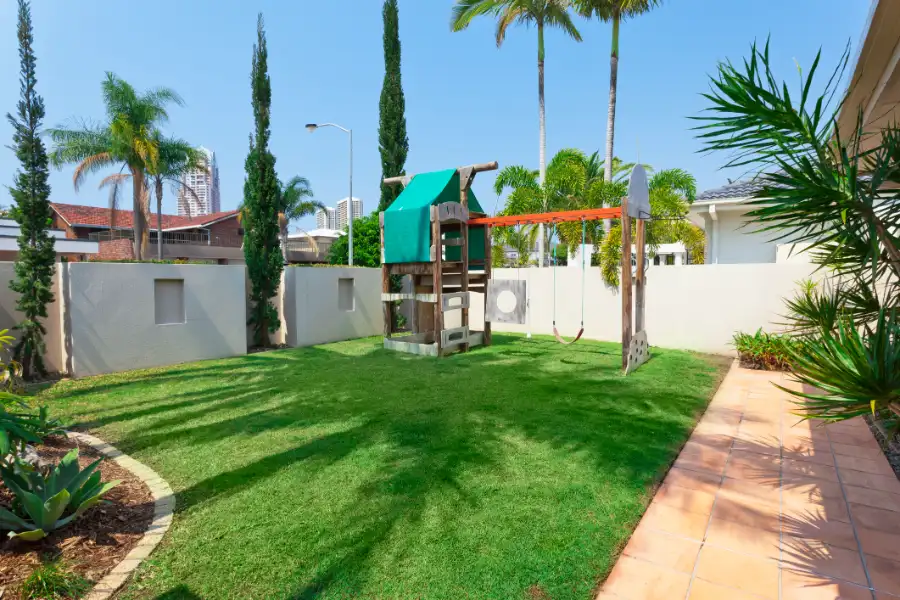
What You Need Before Starting
Before any playground installation begins, you need a clear plan. Safety starts long before equipment arrives. You should gather the right documents and details first.
- Site measurements and property boundaries
- Local building and zoning codes
- Manufacturer instructions for each structure
- Soil and drainage information
- Impact-absorbing surfacing specs
You may also need permits, depending on your city or county. Some areas require inspections during or after the build. Skipping this step can delay your project.
Step-by-Step Safety Process
Safety standards follow a clear order. Each step builds on the last one. Here is how a safe playground installation usually works.
- Site prep: Clear debris, level the ground, and fix drainage problems.
- Layout marking: Mark the footprint and safe use zones around each piece.
- Proper spacing: Leave enough room between swings, slides, and climbers.
- Secure anchoring: Set posts in concrete at the correct depth.
- Install surfacing: Add engineered wood fiber, rubber mulch, or poured-in-place material to the required depth.
- Hardware check: Tighten bolts, cap exposed threads, and cover sharp edges.
- Final inspection: Review everything against national safety guidelines.
Each of these steps connects to public playground safety standards set by groups like ASTM and CPSC. They outline fall height limits, guardrail needs, and surfacing depth.

Common Mistakes to Avoid
Many safety problems happen because of small oversights. Even good equipment can become unsafe if installed the wrong way.
- Not adding enough surfacing under swings
- Placing equipment too close together
- Ignoring proper fall zones
- Leaving gaps that can trap a child’s head or clothing
- Skipping post-install inspection
For example, a slide may look secure, but if the surface below it is too thin, it will not absorb impact. Over time, loose fill materials can shift. That is why depth checks are part of safety standards.
When to Call a Professional
Some smaller play sets for homes may seem simple. But larger park or school projects involve complex rules. If you are managing a public space, hiring experts for playground installation often saves time and lowers risk.
Professionals understand fall-height charts, equipment age ranges, and accessibility rules under the ADA. They also know how to document the process for inspections and insurance records. If your project includes custom layouts or multiple structures, help from a trained team is a smart move.
Final Recommendation and Next Steps
Safety standards are there to protect children, families, and property owners. A well-planned playground installation follows national guidelines, uses tested materials, and includes a final safety review. If you are planning a project in Bay Shore, NY, we can help you meet all required standards and avoid costly mistakes. At FlexiTurf LTD, our team handles layout planning, code checks, and proper surfacing from start to finish. Call us at (516) 260-6088 to talk about your project and find a safe path forward for your new play space.