
How Well Different Padding Types Hold up in Heat, Rain, and Cold
The weather durability of playground turf padding materials depends on what the padding is made of and how well it drains, dries, and handles temperature changes. Some materials stay firm and safe in heavy rain and heat, while others break down, shift, or hold water. If you want a long-lasting surface under synthetic grass, you need padding that can handle your local climate year after year.
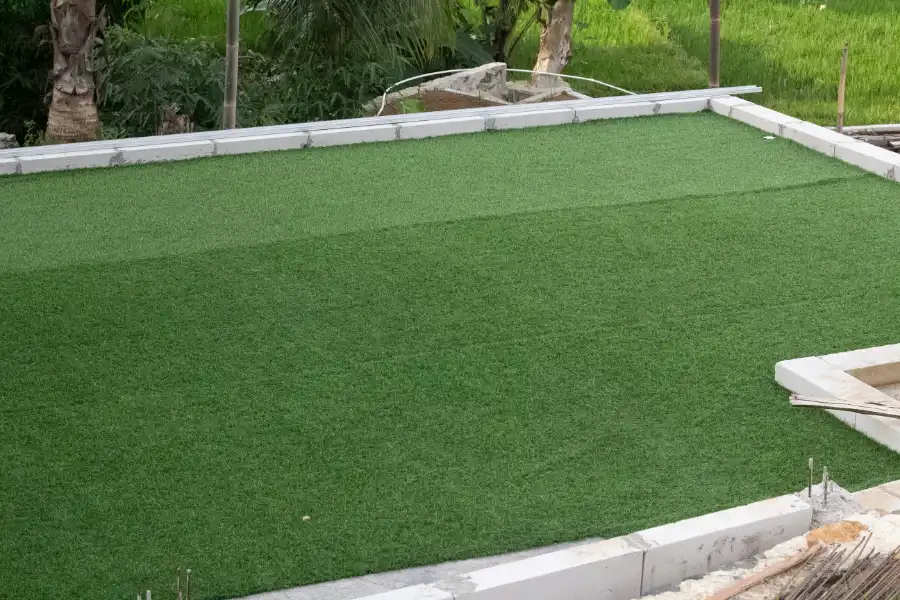
Why Prevention Matters
Playgrounds take a beating from the weather. Sun bakes the surface in summer. Rain soaks the ground in spring. Cold snaps freeze and thaw the base in winter. Over time, weak padding can crack, flatten, or grow mold. That affects safety and comfort.
Good playground turf padding helps absorb impact from falls. But if it loses shape or traps water, it cannot do its job. Choosing weather-resistant materials early saves money and reduces future repairs.
Early Warning Signs of Weather Damage
You can often spot problem areas before they become large repairs. Watch for these signs:
- Soft or squishy spots after rain
- Hard areas that feel flat underfoot
- Strong odors from trapped moisture
- Ripples or shifting under the turf
- Cracks along seams or edges
If you see any of these, the padding may not be handling moisture or temperature swings well. Quick action helps prevent larger surface failure.
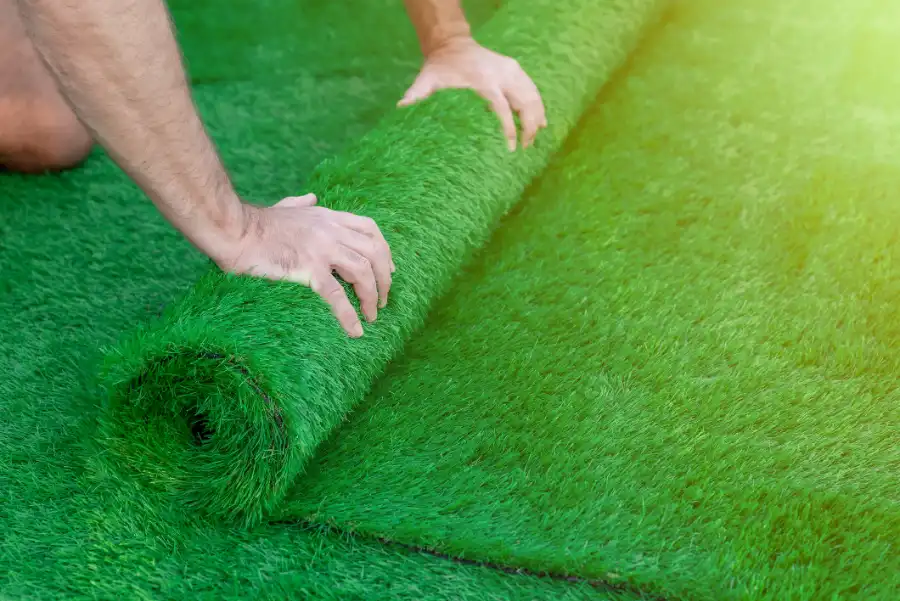
Seasonal Checklist for Long-Term Performance
Simple checks each season can protect your playground turf padding and extend its life.
- Inspect drainage after heavy rain. Water should not pool on the surface.
- Check seams and edges for lifting or separation.
- Feel for uneven spots that may signal foam breakdown.
- Remove debris that can trap moisture against the turf.
- Look under the turf in a small test area if needed to confirm the base stays dry.
Hot climates need padding that resists UV damage and does not dry out or crumble. Wet regions need strong drainage layers and closed-cell foam that does not absorb water. Cold regions need materials that handle freeze-thaw cycles without cracking.
Best Practices for Durable Results
Not all padding products perform the same. Some common options include foam pads, rubber layers, and interlocking shock pads. Each reacts to weather in a different way.
Closed-cell foam pads resist water better than open-cell options. Rubber padding allows good drainage but must be installed over a stable, compacted base. Interlocking systems reduce movement during temperature changes.
Proper installation matters just as much as the product itself. A solid sub-base with correct grading keeps water moving away from the surface. Good edge restraints prevent shifting during expansion and contraction.
Also, choose materials tested for impact safety over time. Padding should maintain fall protection ratings even after years of sun and rain exposure.
What Not to Do
A few common mistakes can shorten the life of your system:
- Installing padding directly over poor drainage soil
- Using indoor-rated foam for outdoor projects
- Skipping joint sealing in high-moisture areas
- Ignoring minor dips or soft spots until they spread
Avoid power washing with extreme pressure, as it can force water beneath the turf and stress the padding underneath. Gentle cleaning works better and protects the layers below.
When to Schedule Professional Help
If you notice repeated pooling, strong odors, or large uneven sections, it is time for a professional inspection. An expert can lift sections of turf safely and check the condition of the playground turf padding underneath.
Professionals can test for compaction loss and confirm whether the material still meets safety standards. In many cases, only small sections need repair instead of a full replacement. Early repair is faster and less expensive than waiting for total failure.
Protect Your Playground Surface for Years to Come
Weather can be tough on outdoor play areas in Bay Shore, NY. At FlexiTurf LTD, we install and maintain playground turf padding designed to handle heat, cold, and heavy rain. We focus on proper drainage, stable bases, and durable materials that last. If your current surface shows signs of wear or you want to plan a new project, call us at (516) 260-6088. We are happy to help you build a safer, longer-lasting play space.